Best Ground Cover Plants for Erosion Control in Southwest Florida
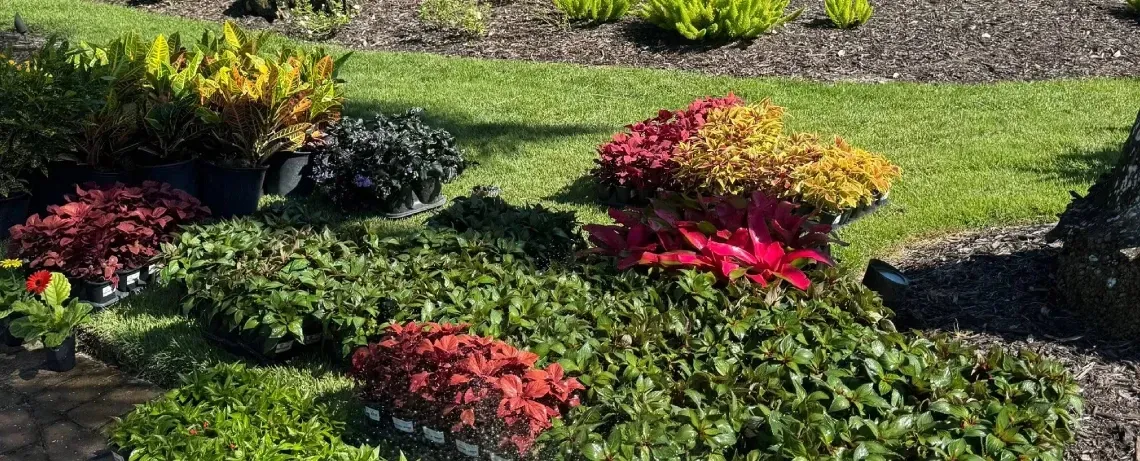
The best ground cover plants for erosion control in Southwest Florida include beach sunflower, railroad vine, sunshine mimosa, frogfruit, Asiatic jasmine, and creeping sage. These plants spread across exposed soil and can help reduce soil movement caused by heavy rain, runoff, and Florida's challenging growing conditions. The right choice depends on sunlight, soil moisture, salt exposure, and where erosion is happening on your property.
Why Ground Cover Plants Can Help With Erosion
Bare soil is much easier for rainwater to wash away, especially during Southwest Florida's heavy summer storms. Ground covers help protect the surface while their roots and spreading growth create additional structure within the soil.
They are especially useful on slopes, sandy areas, and spaces where turf struggles to remain established. However, the best results come from matching the plant to the site's sun, moisture, drainage, and coastal exposure.
Best Ground Covers for Sunny, Sandy Areas
Full-sun areas can be difficult because the soil may dry quickly between storms while still receiving intense rainfall at other times. Several Florida-friendly ground covers handle these conditions well and spread enough to cover vulnerable soil.
Beach Sunflower
Beach sunflower (Helianthus debilis) is an excellent choice for sandy, sunny areas. It prefers well-drained sandy soil, tolerates drought, and can withstand significant salt spray, making it particularly useful for coastal Southwest Florida properties.
Its spreading growth also helps cover exposed soil, while its yellow flowers add color for much of the year in Florida's warmer climate.
Railroad Vine
Railroad vine is another strong option for properties dealing with loose sandy soil. It spreads across the ground quickly and works especially well in coastal environments. Because it tolerates sandy conditions, it can be a practical choice for slopes, embankments, and other exposed areas where erosion is a concern.
Sunshine Mimosa
Sunshine mimosa (Mimosa strigillosa) creates a low-growing mat with distinctive pink flowers. It spreads outward through the landscape, helping cover open soil while creating a softer alternative to traditional turf. It is a Florida native and works particularly well where you want a spreading plant that can fill open areas. Its flowers can also attract pollinators during the warmer months.
Ground Covers for Areas With Changing Moisture Levels
Not every erosion problem happens in consistently dry soil. Some properties experience periods of heavy rain followed by much drier conditions, so plant selection needs to account for changing moisture.
Frogfruit
Frogfruit (Phyla nodiflora) is a low-growing Florida native that can form dense mats across the ground. Its spreading stems can root as they grow, allowing the plant to cover open areas effectively. It can also handle changing moisture conditions, making it useful for Southwest Florida properties that experience both heavy seasonal rainfall and drier periods.
Ground Covers for Shadier Areas
Slopes beneath palms, mature trees, and other established landscaping can be difficult to stabilize because turf often struggles with reduced sunlight and root competition. Shade-tolerant ground covers can provide another option.
- Asiatic Jasmine:
Is a dense, spreading ground cover commonly used in Florida landscapes. Its thick growth can help cover soil where grass may not perform well. It is especially useful in areas where a more uniform, low-growing appearance is preferred.
- Creeping Sage: It can also work in partially shaded or sandy areas. Its low-growing habit makes it useful where exposed soil needs plant coverage without adding tall vegetation. As with any ground cover, site conditions should be evaluated before planting so the plant receives the right amount of sunlight and moisture.
How to Choose the Right Ground Cover for Your Property
The best erosion-control plant is not necessarily the one that spreads fastest. A plant still needs to match the conditions of the specific area where it will be installed. Before choosing a ground cover, consider:
- Sun exposure: Determine whether the area receives full sun, partial shade, or significant shade.
- Soil conditions: Sandy and fast-draining soil may require a different plant than an area that stays wet after rain.
- Salt exposure: Properties closer to the coast may benefit from plants with stronger salt tolerance.
- Slope: Steeper areas may need more aggressive stabilization than relatively flat ground.
- Foot traffic: Some ground covers tolerate occasional traffic better than others.
- Drainage: Fix ongoing water movement problems instead of expecting plants alone to manage concentrated runoff.
Matching the plant to the site gives it a better opportunity to establish and provide consistent soil coverage.
Establish New Ground Cover Carefully
New plants need time to develop enough roots and growth to stabilize exposed soil. Consistent watering during establishment is important, but the exact watering schedule should be adjusted for the plant, soil, rainfall, and drainage conditions.
A few basic practices can improve establishment:
- Prepare loose or compacted soil before planting.
- Space plants according to their mature spread.
- Keep new plants consistently watered while roots develop.
- Watch for runoff that displaces soil around new plantings.
- Repair drainage problems if heavy rain repeatedly washes through the same area.
Combine Erosion Control With Professional Drainage Solutions
At Lush Lanais Landscaping, we look beyond the plants when erosion is being caused by excess water. We provide drainage services in Fort Myers designed to manage stormwater, reduce flooding concerns, and help protect landscaping from recurring erosion.
Depending on the property, we can install solutions such as French drains, channel drains, and grading improvements to redirect or manage water more effectively. We can then approach the surrounding landscaping with the drainage conditions in mind so the entire area works together rather than treating washed-out soil as an isolated problem.
Protect Your Southwest Florida Property From Erosion
Choosing the right ground cover can help stabilize exposed soil and create a more resilient landscape, but repeated erosion may point to a larger drainage issue. If heavy rain is washing away soil, creating low spots, or sending runoff through your property, our team can help identify a practical solution.
Contact us
today to learn more about our Fort Myers drainage services and create a landscape that handles Southwest Florida's rainy conditions more effectively.
Recent Posts
Transform Your Outdoor Space Today
Lorem ipsum dolor sit amet, consectetur adipiscing elit, sed do eiusmod tempor incididunt ut labore et dolore magna aliqua. Lorem ipsum dolor sit amet, consectetur adipiscing elit, sed do eiusmod tempor incididunt ut labore et dolore magna aliqua..