
Landscape Installation Timeline: What Actually Happens During a 2–5 Day Fort Myers Install
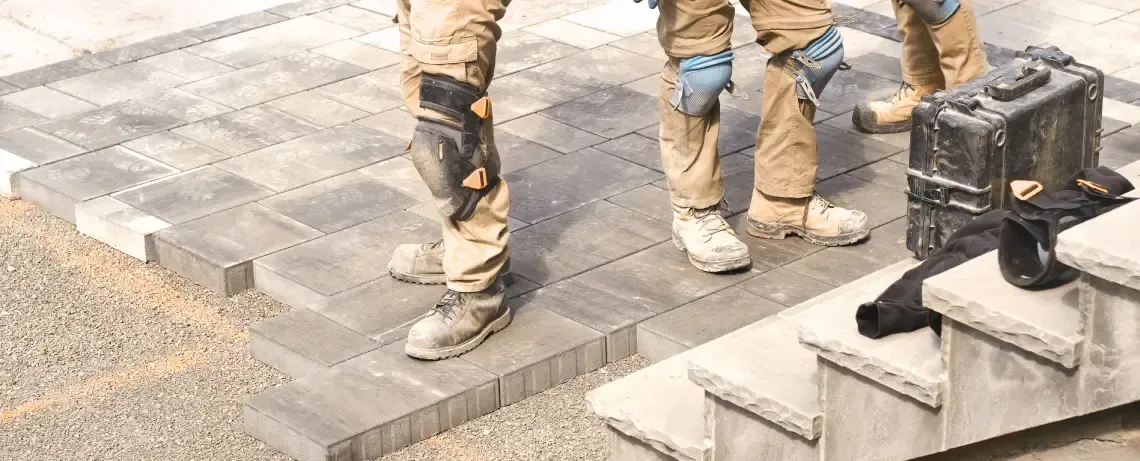
A professional landscape installation can transform a Fort Myers property in less time than many homeowners expect. Depending on the project size, site conditions, and services involved, installation may take approximately two to five working days once the design, materials, and schedule are finalized.
The landscape installation process can include site clearing, soil preparation, irrigation adjustments, drainage work, planting, mulch or rock installation, and final cleanup. Understanding the schedule helps homeowners know what to expect while the property is being transformed.
What Happens Before Installation Begins?
Before the crew arrives, the landscaping company evaluates the property, reviews the homeowner’s goals, and finalizes the landscape design. Plants and materials are ordered, access points are reviewed, and the installation schedule is confirmed.
The final landscape plan may include:
- Trees, palms, shrubs, and accent plants
- New or reshaped planting beds
- Mulch or decorative rock
- Irrigation modifications
- Drainage improvements
- Landscape lighting
- Removal of existing plants or materials
Completing these decisions before installation helps the crew arrive prepared and move efficiently through each phase of the project.
Day 1: Removal and Site Preparation
The first day typically focuses on clearing and preparing the installation area. Existing plants, weeds, roots, mulch, rock, or other unwanted materials are removed according to the approved project scope.
Site preparation may also include:
- Reshaping landscape beds
- Adjusting minor grading
- Removing damaged roots
- Adding or amending soil
- Marking the new plant layout
- Identifying
irrigation or drainage concerns
The yard may look unfinished during this stage, but the preparation work creates a stable foundation for the new landscape.
Day 2: Irrigation, Drainage, and Layout
Water management is usually addressed before the new plants are permanently installed. Sprinkler heads may be moved, repaired, or recalibrated, while drip lines or new watering zones may be added when included in the project.
Drainage improvements may also be completed during this phase. Depending on the property, the work may involve grading adjustments, catch basins, French drains, or downspout connections designed to reduce standing water and runoff.
Once these systems are ready, the crew confirms the placement of trees, palms, shrubs, and smaller plants. This gives the team a final opportunity to check spacing and make sure the layout matches the approved design.
Days 2–3: Plant Installation
Trees and palms are generally installed first because they establish the main structure of the landscape. Shrubs, groundcover, and accent plants are then added around those larger focal points.
During installation, the crew considers:
- Mature plant size
- Sunlight and shade conditions
- Visibility from the home and street
- Space between plants
- Irrigation coverage
- Long-term maintenance needs
New plants may initially look more spread out than expected. Proper spacing allows them to mature without becoming overcrowded or requiring excessive pruning.
Days 3–4: Mulch, Rock, and Finishing Details
After the plants are installed, the crew defines the bed lines and adds the selected finishing materials. Mulch can help retain moisture and regulate soil temperature, while decorative rock may provide a more durable surface in specific areas.
The team also checks that mulch or rock is not piled against plant stems, trunks, walls, or drainage openings. Careful placement helps protect plant health while giving the landscape a clean and organized appearance.
Additional details completed during this phase may include:
- Landscape edging
- Minor grading corrections
- Irrigation adjustments
- Decorative rock installation
- Landscape lighting installation
- Final plant positioning
Days 4–5: Testing, Cleanup, and Final Walkthrough
Larger or more detailed installations may continue into a fourth or fifth day. The crew tests irrigation coverage, checks drainage components, completes remaining detail work, and waters the newly installed plants.
The final stage generally includes:
- Removing leftover materials and debris
- Cleaning walkways, driveways, and patios
- Testing irrigation zones
- Inspecting plant placement
- Reviewing the completed project
- Explaining watering and care requirements
During the walkthrough, homeowners can review the installation and ask questions about plant care, irrigation settings, or the expected establishment period.
What Can Affect the Installation Timeline?
A simple landscape refresh may take approximately two days, while a larger renovation may require closer to five days or longer. The final timeline depends on the amount of preparation and the number of services included.
Factors that may affect how long landscaping takes include:
- Size of the installation area
- Number and size of plants
- Amount of existing material being removed
- Soil and root conditions
- Irrigation repairs or upgrades
- Drainage and grading requirements
- Property access
- Material availability
- Heavy rain or saturated soil
- Changes requested during installation
Fort Myers weather can also affect the schedule. Heavy rainfall may delay excavation, grading, or planting when soil conditions are too wet for safe and effective work.
How Homeowners Can Prepare
Homeowners usually do not need to remain home throughout the installation, but the crew should have clear access to the work area. Gates should be unlocked, vehicles should be moved away from staging areas, and pets should remain safely indoors.
Before work begins, remove items such as:
- Garden decorations
- Hoses and sprinklers
- Toys and portable furniture
- Potted plants
- Items blocking gates or walkways
It is also helpful to discuss questions or requested changes with the project contact instead of directing individual crew members. This reduces confusion and helps keep the landscape installation timeline on track.
What the Landscape Will Look Like After Installation
A newly installed landscape may not look fully mature on the final day. Plants need time to establish their roots, fill available space, and develop the fuller appearance shown in the design. Some temporary transplant stress may occur as plants adjust to their new environment. Following the recommended watering schedule is especially important during the establishment period in Fort Myers’ warm climate.
Homeowners should report unusual wilting, irrigation problems, standing water, or other concerns promptly. Addressing these issues early can help protect the new landscape as it becomes established.
Plan Your Fort Myers Landscape Installation
Understanding the new landscape installation steps makes the project easier to follow and helps homeowners prepare for each phase. From removal and soil preparation to planting and final cleanup, every stage supports the appearance and long-term performance of the finished landscape.
Lush Lanais Landscaping provides landscape design and installation services for Fort Myers properties, including planting, irrigation, drainage, and related landscape improvements.
Contact us today to discuss your property and receive a custom installation plan with a clearly defined project scope and timeline.
Recent Posts
Transform Your Outdoor Space Today
Lorem ipsum dolor sit amet, consectetur adipiscing elit, sed do eiusmod tempor incididunt ut labore et dolore magna aliqua. Lorem ipsum dolor sit amet, consectetur adipiscing elit, sed do eiusmod tempor incididunt ut labore et dolore magna aliqua..