Why New Landscaping Fails in Fort Myers’ Sandy Soil and What Installers Should Do About It
New landscaping can look healthy immediately after installation but begin wilting, yellowing, or thinning within a few weeks. In many Fort Myers yards, the problem starts below the surface with sandy soil that drains water quickly and retains limited nutrients. Preventing these issues requires proper landscape design, soil preparation, irrigation planning, and drainage evaluation.
Why Sandy Soil Creates Problems for New Landscaping
Fort Myers’ sandy soil allows water to move away from plant roots faster than heavier soil. Newly installed plants have compact root systems that cannot immediately reach moisture beyond their original nursery containers. Without proper preparation and watering, those roots may dry out before they spread into the surrounding soil.
Sandy soil also contains less organic matter and holds fewer nutrients than many landscape plants prefer. This does not mean landscaping cannot thrive in Southwest Florida, but the plants and installation methods must match the property. Sunlight, drainage, salt exposure, and irrigation coverage should all be evaluated before planting begins.
Common Reasons New Plants Die in Florida’s Sandy Soil
Homeowners often respond to struggling plants by increasing the watering schedule. However, wilted leaves, yellow growth, and declining roots can result from several design or installation problems. Adding more water without identifying the actual cause can make the damage worse.
Common reasons for landscape failure include:
- Choosing plants that do not match the site
- Installing root balls too deeply
- Skipping soil preparation before planting
- Leaving compacted material beneath planting beds
- Providing uneven irrigation coverage
- Allowing water to collect in low areas
- Placing plants too close together
- Applying mulch against stems or tree trunks
Poor Plant Selection
Not every tropical-looking plant is suitable for every Fort Myers property. Some plants perform well in fast-draining soil, while others need more consistent moisture or protection from direct afternoon sun. Plant selection should also account for salt exposure, mature size, seasonal rainfall, and reflected heat from nearby walls or pavers.
A thoughtful landscape design groups plants according to similar sunlight, soil, and watering requirements. This makes the irrigation system easier to manage and reduces stress on newly installed plants. It also helps create a landscape that remains balanced as the plants mature.
Skipping Soil Preparation
One of the biggest mistakes in sandy soil landscaping in Fort Myers is placing plants directly into an unprepared bed. Fast-draining sand can leave newly installed roots without enough consistent moisture or nutrition. Construction debris or compacted fill beneath the surface can create additional problems that are not visible from above.
Proper landscape installation begins with clearing the bed and assessing the existing soil. Depending on the plants and site conditions, preparation may include loosening compacted areas and incorporating an appropriate soil amendment across the planting zone. The goal is to improve the growing environment without creating isolated pockets that differ sharply from the surrounding soil.
Using Too Much Amendment in Individual Holes
Adding a large amount of rich soil or compost to one planting hole may appear helpful. However, roots can remain concentrated in that amended pocket instead of spreading into the surrounding native soil. Differences in drainage between the hole and nearby sand may also cause moisture to collect around the root ball.
A better soil amendment for Florida landscaping should be selected and applied according to the broader planting area. Installers should avoid treating every plant hole as a separate container. Consistent bed preparation encourages roots to grow outward and creates a smoother transition into the existing soil.
Planting at the Wrong Depth
New plants can struggle even when the soil and irrigation system are suitable. If a root ball is buried too deeply, oxygen may not reach the upper roots, and water can remain around the plant crown. If it is installed too high, exposed roots may dry out quickly in the Fort Myers heat.
Installers should identify the top of the root ball and account for settling after planting. Mulch can then be placed around the plant while leaving space around its stems or trunk. Correct planting depth is a basic installation detail that has a major effect on long-term plant health.
Irrigation That Does Not Match the New Landscape
New plants need reliable moisture while their roots become established. An irrigation system designed for the previous landscape may leave new beds dry, oversaturate certain areas, or spray water where it is no longer needed. Simply increasing the run time does not correct poor sprinkler placement or uneven coverage.
Irrigation should be planned around plant groupings, root depth, sun exposure, and soil drainage. Drip irrigation may work well in some planting beds, while properly adjusted sprinkler zones may be more suitable in others. The system should be tested after installation to confirm that water reaches the full root area without creating runoff or standing water.
Drainage Problems Beneath Sandy Soil
Although sand generally drains quickly, not every Fort Myers property handles water effectively. Poor grading, compacted construction fill, roof runoff, and low areas can cause water to collect around new plants. Roots may then remain wet for too long, increasing the risk of decline or root rot.
Drainage conditions should be evaluated before the new landscape is installed. Depending on the property, corrections may include grading adjustments, French drains, catch basins, or downspout drainage. Addressing these issues early helps protect planting beds from erosion, oversaturation, and recurring plant loss.
What Installers Should Do Before Planting
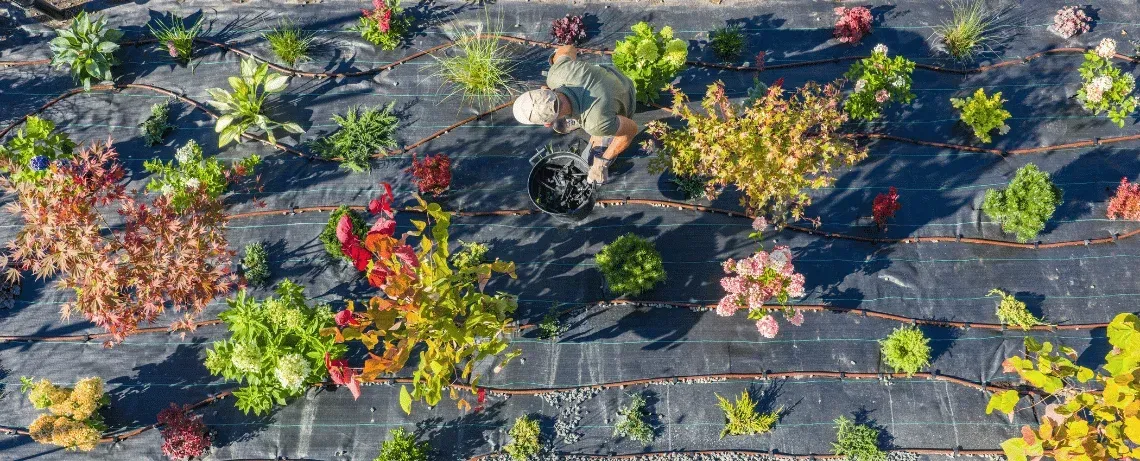
Effective landscape installation soil prep in Lee County should begin with a complete site assessment rather than immediate planting. The installer needs to understand how soil, sunlight, irrigation, and stormwater affect different areas of the property. These findings should guide the landscape design and installation plan.
A suitable preparation process may include:
- Evaluating the soil, sunlight, slope, and drainage
- Removing weeds, roots, debris, and failed plant material
- Checking for compacted soil or construction fill
- Identifying areas that remain wet after rain
- Testing existing irrigation coverage
- Preparing the broader planting beds
- Selecting plants suited to each location
- Installing root balls at the correct depth
- Adjusting irrigation for the establishment period
- Applying mulch without covering stems or trunks
What Is the Best Soil for Landscaping in Southwest Florida?
There is no single best soil for landscaping in Southwest Florida because plant requirements and property conditions vary. Some Florida-adapted plants perform well in sandy soil, while others benefit from improved moisture and nutrient retention. The right approach depends on the plant palette, drainage pattern, sunlight, and irrigation system.
In many cases, the existing soil can be prepared rather than completely replaced. Appropriate amendments may be incorporated where needed, but they should not be used as a substitute for proper plant selection or irrigation. Soil preparation works best when it is included in the overall landscape design and installation plan.
Designing Around Hardscape Features
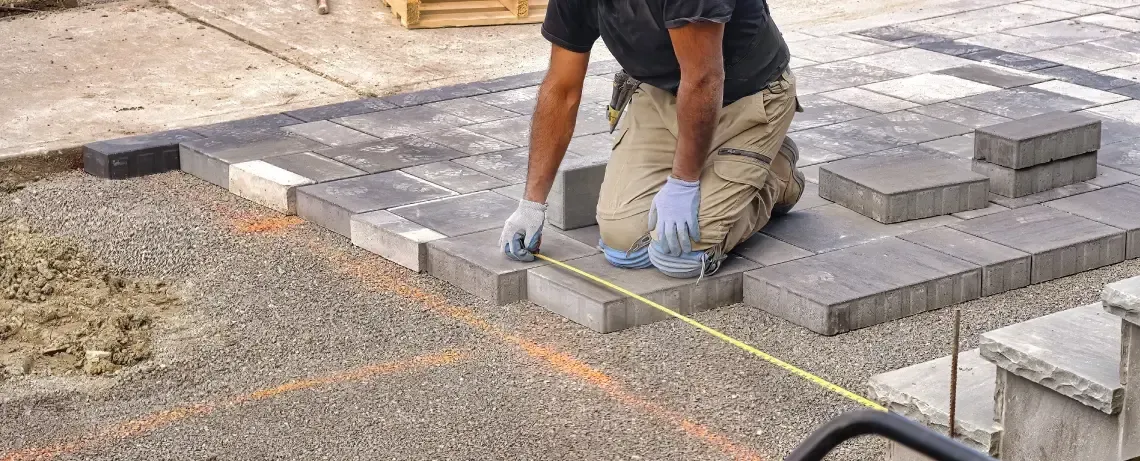
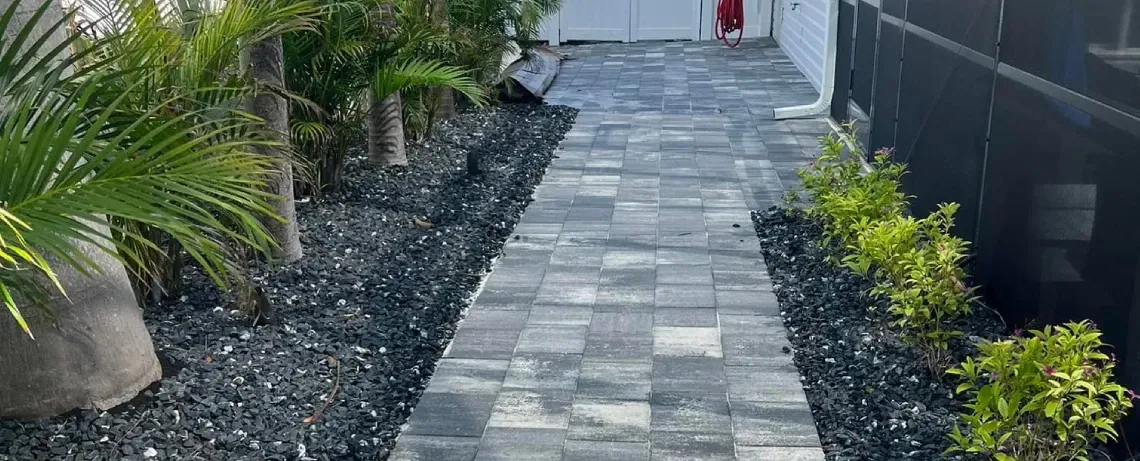
Patios, walkways, walls, and other hardscape features can affect nearby planting beds. Paved surfaces may reflect additional heat, redirect rainwater, or reduce the area available for roots. Plants placed beside these features should be selected and installed with those conditions in mind.
Planning landscaping and hardscaping together helps account for grading, drainage, irrigation placement, and mature plant size. It can also prevent roots, runoff, or irrigation spray from creating future problems around paved areas. This coordinated approach creates a more functional outdoor space.
Give New Landscaping the Right Foundation
Lush Lanais Landscaping understands that healthy landscaping in Fort Myers starts with more than choosing attractive plants. Proper soil preparation, planting depth, irrigation coverage, drainage, and plant selection all play a role in how well a new landscape establishes and performs over time.
Contact us today to plan a landscape installation built around your property’s soil conditions, sunlight, drainage patterns, and long-term water needs.
Recent Posts
Transform Your Outdoor Space Today
Lorem ipsum dolor sit amet, consectetur adipiscing elit, sed do eiusmod tempor incididunt ut labore et dolore magna aliqua. Lorem ipsum dolor sit amet, consectetur adipiscing elit, sed do eiusmod tempor incididunt ut labore et dolore magna aliqua..